Fix P0470: Exhaust Pressure Sensor A Circuit Fault – Trust iCarsoft CR MAX BT for Detection & Clearing
You're driving through town, and your engine suddenly feels less responsive—then the Check Engine Light flicks on. A quick diagnostic scan pulls up P0470, a code tied to your vehicle's emissions and exhaust systems. Defined as "Exhaust Pressure Sensor A Circuit Fault," P0470 signals that the Engine Control Module (ECM) has detected an issue with the electrical circuit of the exhaust pressure sensor (EPS)—a critical component that monitors exhaust backpressure to optimize engine performance and emissions control. Ignoring it can lead to failed emissions tests, reduced fuel efficiency, and even damage to the turbocharger (in diesel vehicles). But with the iCarsoft CR MAX BT, you can diagnose, troubleshoot, and fix this issue like a pro—whether you're a DIY enthusiast or a professional mechanic.
For context: The exhaust pressure sensor (often labeled "Sensor A") is typically mounted on the exhaust manifold or turbocharger. It sends voltage signals to the ECM, which uses this data to adjust fuel injection, turbo boost, and EGR flow. A "circuit fault" means the ECM isn't receiving valid voltage from the sensor—either due to wiring issues, sensor failure, or a shorted circuit. Unlike P0471 (low exhaust pressure) or P0472 (high exhaust pressure), P0470 is strictly an electrical fault code, not a mechanical one—making targeted diagnostics with the right tool essential. Let's break down everything you need to know about P0470 and how the CR MAX BT simplifies resolution.
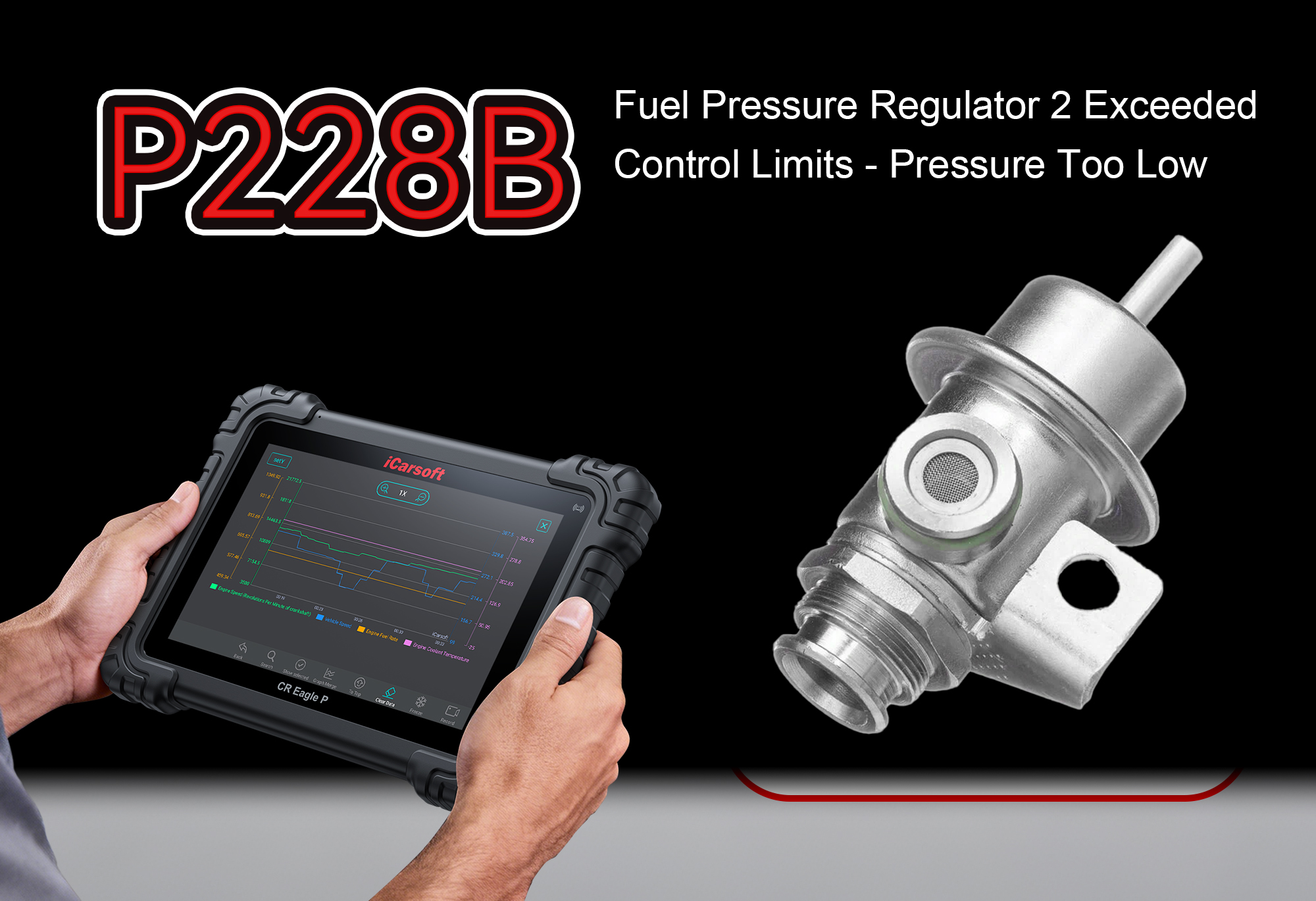
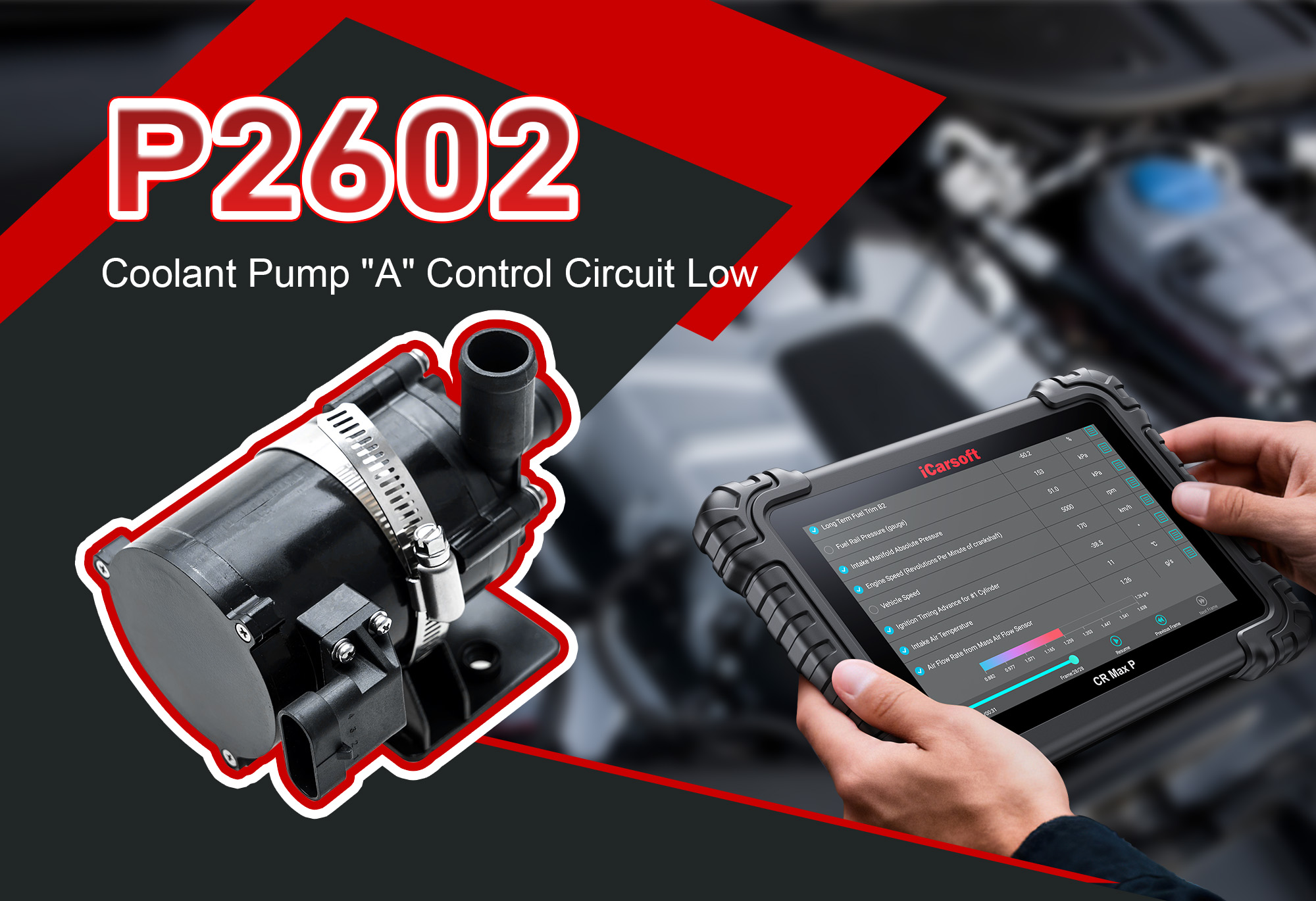
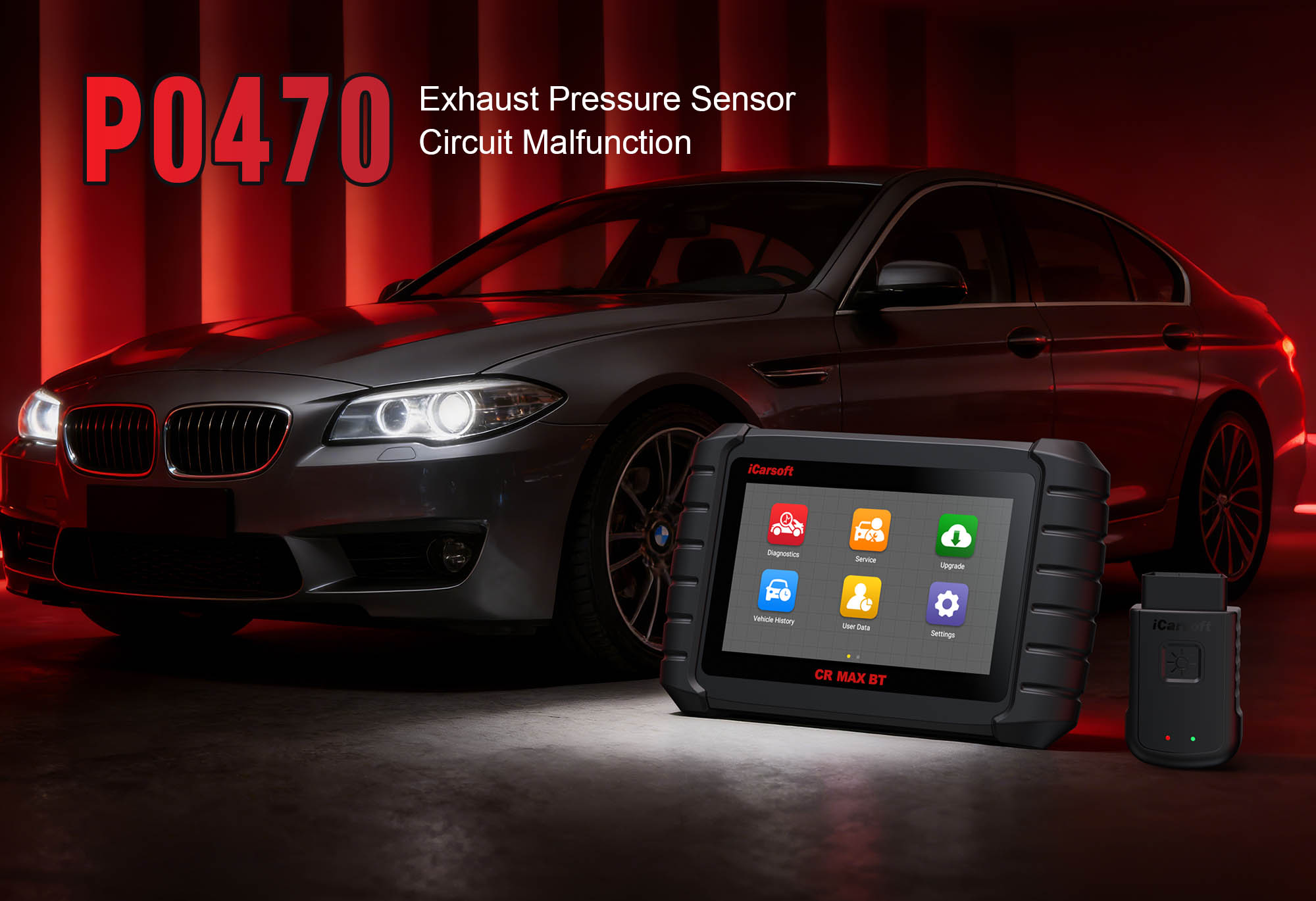 iCarsoft CR MAX BT monitoring exhaust pressure sensor voltage to diagnose P0470 electrical circuit issues
What Exactly Is the P0470 Code?
P0470 focuses on the electrical circuit of Exhaust Pressure Sensor A, activating when the ECM measures voltage outside the manufacturer's specified range (usually 0.5V–4.5V) for 2–3 consecutive seconds. The "A" denotes the primary exhaust pressure sensor—most vehicles have only one, though some turbocharged models may have secondary sensors (triggering P0471/P0472 for mechanical issues). P0470 is common in both gasoline and diesel vehicles (especially those with turbochargers or EGR systems) and critical for maintaining emissions compliance and engine health.
P0470 has make/model-specific trends tied to exhaust system design:
-
Ford F-250 6.7L Power Stroke P0470: Often linked to a faulty exhaust pressure sensor or corroded wiring (common in 2011–2023 diesel models).
-
Chevrolet Silverado 6.6L Duramax P0470: Typically caused by a shorted sensor circuit or a failed ECM (prevalent in 2017–2023 diesel variants).
-
Toyota Tundra 5.7L P0470: Frequently stems from a loose sensor connector or a damaged sensor (common in 2014–2023 gasoline models).
-
Mercedes-Benz Sprinter 3.0L BlueTEC P0470: Often due to a malfunctioning exhaust pressure sensor or a broken wiring harness (prevalent in 2019–2023 diesel vans).
The iCarsoft CR MAX BT uses Auto VIN technology to pull your vehicle's exact exhaust pressure sensor specs—including voltage thresholds, connector pinouts, and circuit resistance—eliminating guesswork and ensuring targeted diagnostics.
Key Symptoms of P0470 to Watch For
P0470 disrupts the ECM's ability to monitor exhaust pressure, leading to both performance and emissions issues. Be alert for these critical warning signs:
-
Illuminated Check Engine Light: The most consistent indicator—may be paired with "Exhaust Sensor Fault" or "Reduced Engine Power" messages.
-
Failed Emissions Test: Incorrect exhaust pressure data disrupts emissions control, leading to high NOx or hydrocarbon (HC) levels that fail EPA Tier 3, CARB, or Euro 6 standards.
-
Reduced Engine Power: The ECM may enter limp mode to protect components, limiting acceleration (common in turbocharged vehicles).
-
Increased Fuel Consumption: A faulty EPS disrupts fuel injection timing, increasing fuel use by 8–12%.
-
Turbocharger Lag (Diesel Vehicles): The ECM can't adjust boost pressure correctly, leading to delayed acceleration.
-
Engine Misfires: Incorrect exhaust pressure data may cause lean/rich fuel mixtures, leading to rough idling or misfires.
-
EGR System Malfunction: The ECM uses EPS data to control EGR flow—P0470 can cause the EGR system to stop working, worsening emissions.
Common Causes of P0470 (And How CR MAX BT Identifies Them)
P0470 has five primary causes, and the CR MAX BT's advanced electrical diagnostics help you pinpoint which one is affecting your vehicle—no need for expensive multimeters or oscilloscopes:
|
Cause
|
Description
|
|
Faulty Exhaust Pressure Sensor
|
Internal sensor failure sends invalid voltage signals. The CR MAX BT's sensor voltage test measures output against OEM 0.5V–4.5V range to confirm faults.
|
|
Damaged/Corroded Wiring
|
Frayed wires or corroded connectors break the circuit. The CR MAX BT's continuity test detects breaks or high-resistance points disrupting signal flow.
|
|
Loose Sensor Connector
|
Poorly seated connector causes intermittent voltage drops. The CR MAX BT's connector resistance test identifies high-resistance connections (>1Ω = faulty contact).
|
|
Shorted Circuit to Ground/Power
|
Wire contact with ground/power causes voltage spikes. The CR MAX BT's short circuit test locates shorts by measuring circuit impedance against OEM specs.
|
|
ECM Software Glitch
|
Outdated firmware misinterprets sensor data. The CR MAX BT's One-Key Upgrade installs free ECM patches to resolve communication errors.
|
Why iCarsoft CR MAX BT Is the Best Tool for P0470
Basic code readers only confirm P0470 is present—they can't diagnose electrical faults in the exhaust pressure sensor circuit. The CR MAX BT offers industry-leading diagnostics with these exclusive features:
Sensor-Specific Voltage Monitoring
Tracks exhaust pressure sensor voltage (0.5V–4.5V) in real time with graphing—spot flatlines (0V/5V) or erratic spikes that indicate circuit faults.
Circuit Continuity & Resistance Testing
Measures wire resistance and continuity to identify corroded connectors or frayed wires—eliminates the need for a separate multimeter.
Short Circuit Detection
Locates shorts to ground/power by analyzing circuit impedance—critical for fixing P0470 in diesel vehicles with turbocharger wiring harnesses.
Bi-Directional Sensor Testing
Sends test signals to the exhaust pressure sensor to verify responsiveness—confirms sensor functionality without removing components from the exhaust system.
ECM Coding & Firmware Updates
Calibrates new sensors to the ECM and installs free firmware updates—saves $150–$300 in dealership programming fees.
Turbocharged & Hybrid Vehicle Support
Works with diesel/gasoline turbo models (Ford Power Stroke, Chevy Duramax) and hybrids—adapts to vehicle-specific sensor specs via Auto VIN Identify.
Step-by-Step: Diagnose & Fix P0470 with iCarsoft CR MAX BT
-
1. Confirm P0470 & Visual Inspection
1. Plug the CR MAX BT's OBD-II adapter into your vehicle's port and pair via Bluetooth (connects in 10 seconds).
2. Select Auto VIN Identify to pull your vehicle's exhaust sensor specs, then navigate to Engine > Fault Codes > Read Codes to confirm P0470.
3. Tap Code Details for insights—e.g., "Ford F-250: P0470 Exhaust Sensor Circuit Fault; Current Voltage: 0V (Expected: 0.5V–4.5V); Check Wiring/Sensor."
4. Locate the exhaust pressure sensor (near exhaust manifold/turbo) and inspect for loose connectors, frayed wires, or corrosion.
-
2. Monitor Live Exhaust Sensor Data
Start the engine from cold (8+ hours off) and let it idle for 5 minutes. Drive 30–60 mph for 15 minutes, then go to Engine > Live Data > Exhaust System > Pressure Sensor A and monitor:
- Sensor Voltage: Should range 0.5V (low pressure)–4.5V (high pressure). Flat 0V = short to ground; 5V = short to power.
- Circuit Resistance: Should match OEM specs (500Ω–1kΩ). High resistance = corroded wiring.
- ECM Feedback: Should align with sensor voltage. Mismatch = ECM glitch.
-
3. Run Targeted Electrical Tests
Go to Special Functions > Engine Control > Exhaust Sensor Diagnostics and run these tests:
1. Sensor Voltage Test: Measures output at idle/load—"Out of Range" = faulty sensor; "Intermittent" = loose connector.
2. Circuit Continuity Test: Checks wiring between sensor and ECM—"No Continuity" = frayed wire; "High Resistance" = corroded connector.
3. Short Circuit Test: Detects shorts to ground/power—"Short Detected" = damaged wire; "Normal" = rule out short.
-
4. Repair & Validate the Fix
1. Address the root cause based on test results:
- Faulty Sensor: Replace with OEM exhaust pressure sensor (test voltage post-install with CR MAX BT).
- Damaged Wiring: Repair frays or clean connectors with electrical cleaner. Re-test continuity.
- Loose Connector: Re-seat and secure with zip ties. Verify resistance <1Ω with CR MAX BT.
- Shorted Circuit: Repair/replace damaged wire section. Re-test with short circuit test.
- ECM Glitch: Run One-Key Upgrade to install firmware (free via Wi-Fi).
2. Clear P0470 via Engine > Fault Codes > Clear Codes.
3. Test drive 100–150 miles (mix highway/city). Re-scan with CR MAX BT—stable 0.5V–4.5V voltage confirms the fix.
FAQs: Your P0470 Questions Answered
Q: Is it safe to drive with P0470?
A: Yes—for short daily commutes—but long-term driving risks reduced power, turbocharger damage (in diesels), and failed emissions tests. Avoid heavy loads, towing, and high speeds until the code is fixed.
Q: How much does it cost to fix P0470?
A: Costs vary by cause—here's a breakdown:
- Exhaust pressure sensor replacement: $100–$300 (parts + labor; DIY-friendly for some vehicles).
- Wiring repair: $80–$200 (depends on wire accessibility).
- Connector cleaning/replacement: $50–$150 (parts + labor).
- ECM firmware update: $150–$300 (dealership) or free (with CR MAX BT).
- Dealership diagnostic + repair: $400–$800.
The CR MAX BT saves $200+ by letting you diagnose the issue and handle simple fixes (like sensor replacement) yourself.
Q: Why does P0470 come back after I clear it?
A: You didn't fix the root cause. For example, if you cleared the code but didn't repair a corroded wire, the circuit fault will reoccur. Use the CR MAX BT's continuity and short circuit tests to find hidden issues.
Q: Can a bad battery cause P0470?
A: Indirectly—low battery voltage (below 12V) can disrupt sensor circuit power, leading to temporary P0470 codes. Recharging the battery may clear the code, but if it returns, there's a separate electrical issue (e.g., faulty sensor).
Q: Does P0470 affect gasoline vehicles or only diesels?
A: It affects both—while more common in diesel vehicles (due to turbochargers), gasoline vehicles with EGR systems or variable exhaust valves also trigger P0470. The CR MAX BT works for both fuel types.
Q: Will P0470 cause a failed emissions test in California?
A: Absolutely—California's CARB standards fail any vehicle with active exhaust sensor codes, including P0470. The state also requires exhaust system readiness monitors to be complete, which P0470 will block. Fix it with the CR MAX BT before testing.
Q: Can the CR MAX BT test exhaust pressure sensors in hybrid vehicles?
A: Yes—its sensor voltage test works for hybrid vehicles (e.g., Toyota Prius Prime) with exhaust pressure sensors. The tool adapts to hybrid-specific sensor specs via Auto VIN Identify.
Q: How often should I update the CR MAX BT for P0470 fixes?
A: Update every 3 months via free Wi-Fi. New firmware includes exhaust pressure sensor specs for 2024+ vehicles and ECM patches that fix false P0470 codes (common in turbocharged gasoline engines).
Conclusion
P0470 is a critical electrical fault that disrupts your vehicle's exhaust system monitoring—leading to emissions failures, reduced power, and potential turbo damage. With the iCarsoft CR MAX BT, you have the power to identify whether the issue is a faulty sensor, corroded wire, loose connector, or ECM glitch—then fix it quickly and affordably.
No more guessing, no more overpaying for electrical diagnostics at the dealership. Invest in the CR MAX BT today, and take control of P0470—and your vehicle's performance, fuel efficiency, and emissions compliance.